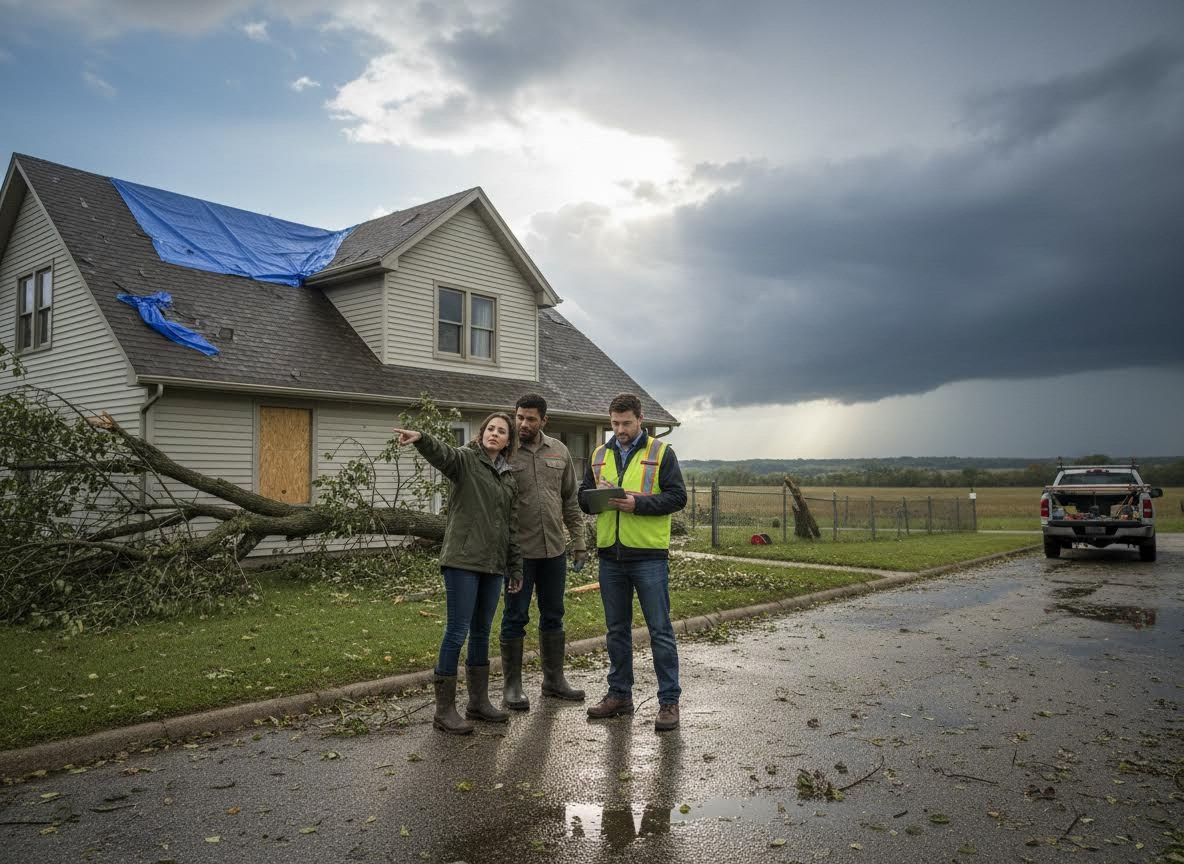
When severe weather strikes Illinois and Wisconsin, the aftermath can be devastating for home and business owners, often leaving them overwhelmed by damage and the daunting prospect of an insurance claims process. This is where the concept of the "48-Hour Rule" becomes crucial: acting swiftly in the immediate wake of a storm can significantly impact the success of your recovery and the fairness of your settlement. Understanding and adhering to this critical timeframe is essential for protecting your property and financial well-being, and Liberty Public Adjusting Group is dedicated to helping policyholders navigate these complex challenges with confidence.
Understanding the Urgency: Why 48 Hours Matters
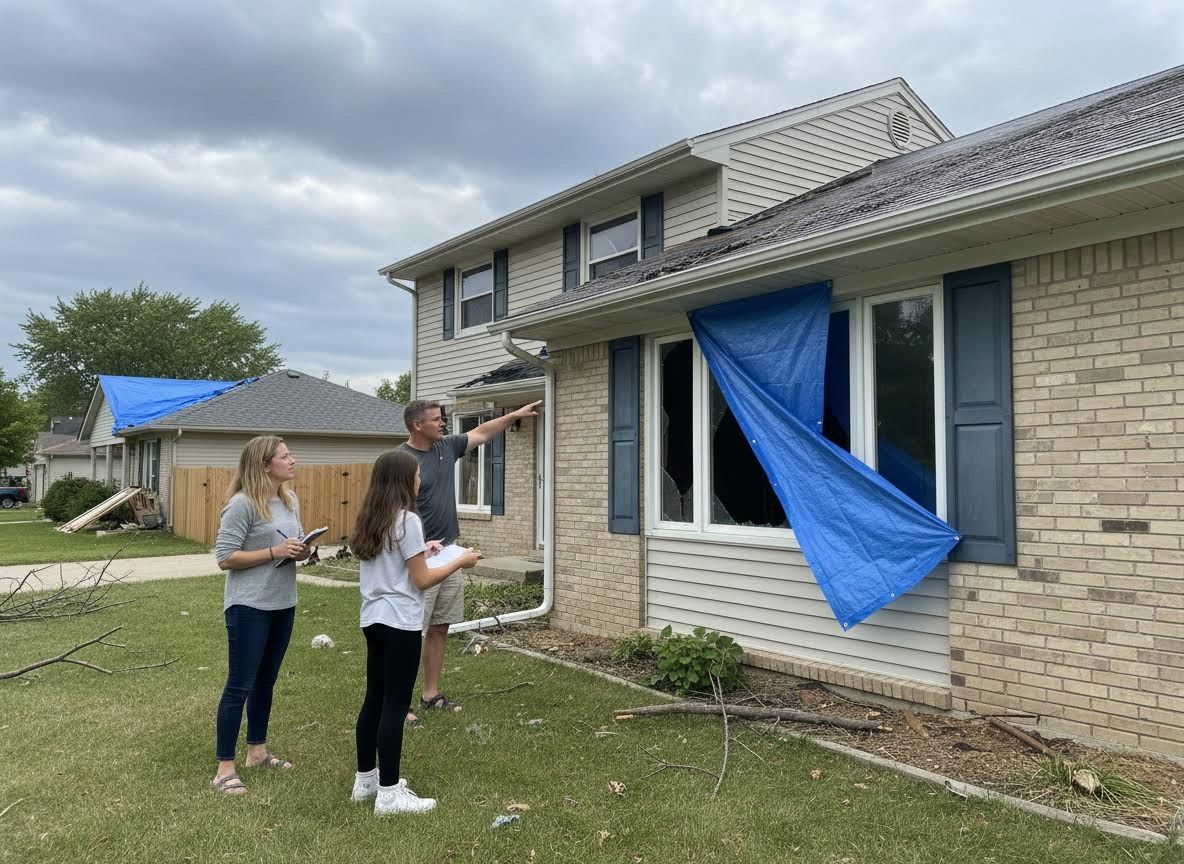
The 48-Hour Rule isn't just a suggestion; it's a critical window for action that can prevent minor damage from escalating into major issues and safeguard your ability to secure a fair insurance claims settlement. After a storm, the clock starts ticking for several reasons. Prompt action within this timeframe allows you to mitigate secondary damage, such as mold growth from a water damage insurance claim that can quickly spread and complicate repairs. Furthermore, it helps in preserving crucial evidence of the original damage before it's altered by weather or attempts at temporary repairs, which is vital for any storm damage insurance claim, especially those involving hail and wind damage insurance.
Immediate Steps: Securing Your Property and Documenting Damage
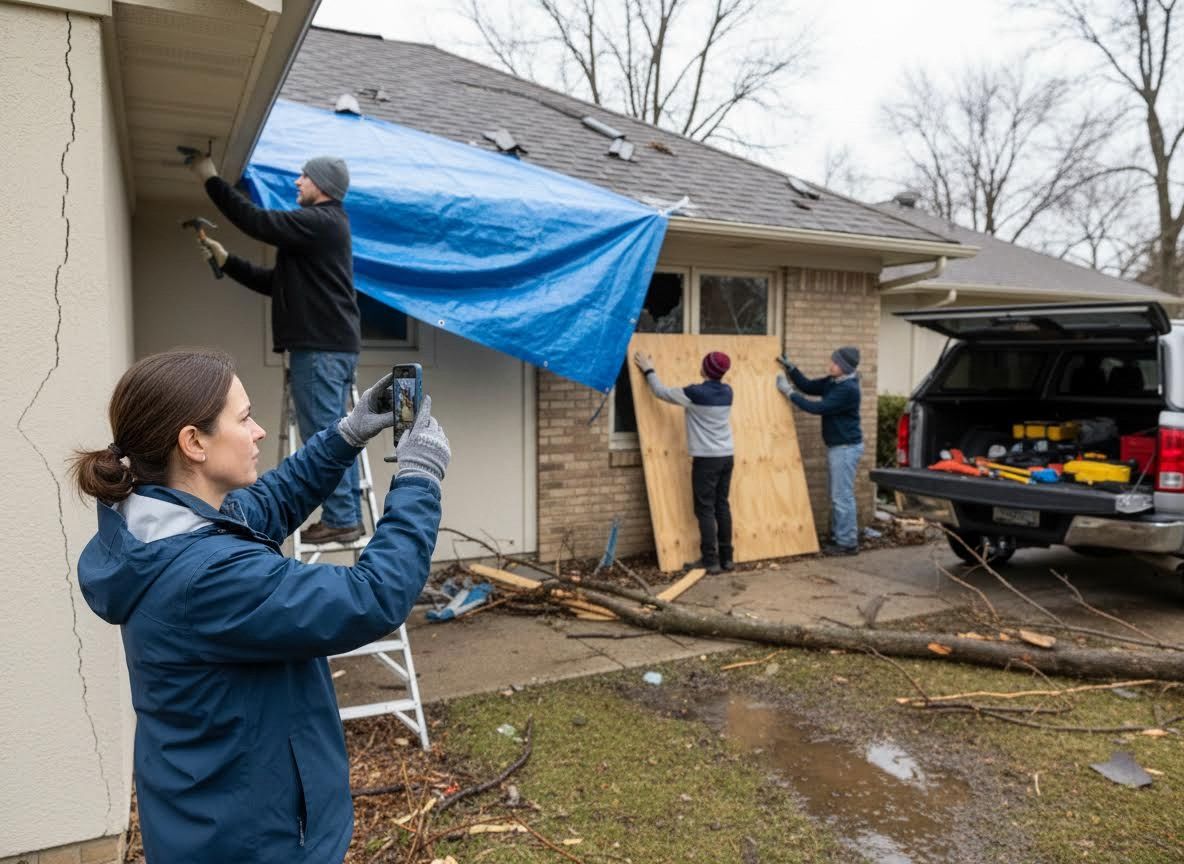
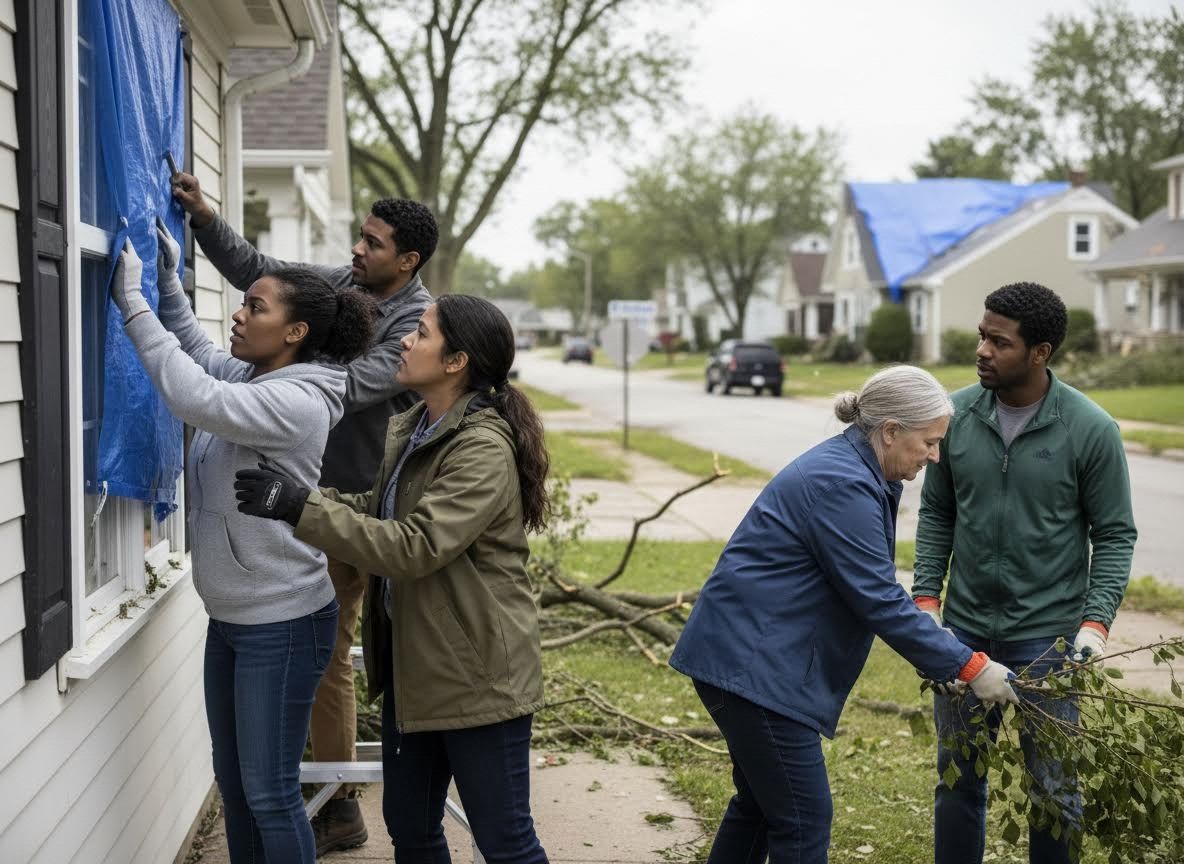
The first priority after a storm is always safety. Once your property is secure, the 48-hour window is best used for thorough documentation and temporary measures. Begin by taking extensive photos and videos of all damage, both interior and exterior, before any cleanup or repairs begin. This visual record is invaluable for your insurance claims. Secure any compromised areas with temporary fixes, such as tarping a damaged roof or boarding up broken windows, to prevent further loss from elements. Keep detailed records of all these actions, including dates, times, and costs, whether you're dealing with a water damage insurance claim, hail and wind damage insurance, or even smoke damage insurance if a related incident occurred.
Navigating the Insurance Claims Process: The Role of Expertise
Even with meticulous documentation, navigating the insurance claims process can be complex and intimidating. Policy language can be difficult to interpret, and the carrier’s adjusters often have different priorities than the policyholder. This is where an independent advocate becomes invaluable. They can help you understand your policy, accurately assess the full scope of damage, and meticulously prepare and present your claim. Their expertise ensures that all aspects of your storm damage insurance claim, from initial assessment to final negotiation, are handled with precision, helping to level the playing field against large insurance companies.
Securing Your Future: Beyond the Initial Claim
Beyond the immediate 48-hour response, the ongoing management of your insurance claims is crucial for a complete recovery. This includes carefully reviewing all settlement offers, understanding depreciation, and ensuring that all covered aspects of your damage are included. Whether it's a complex water damage insurance claim, an extensive hail and wind damage insurance claim, or multifaceted smoke damage insurance, continuous advocacy ensures that you receive the maximum settlement you are entitled to under your policy. This long-term commitment to your recovery provides peace of mind and the resources needed to fully restore your property.
Responding effectively within the critical 48-hour window after a storm is paramount for safeguarding your property and securing a fair insurance claims settlement in Illinois and Wisconsin. While the initial steps fall to the policyholder, the complexities of the full insurance claims process often require specialized support. To learn how expert advocacy can simplify your storm damage insurance claim and ensure your rights as a policyholder are protected, consider connecting with a public adjusting professional.